


How founders are replacing creators and agencies with a fully automated ad engine
Let’s be honest for a second.
A lot of brands are still operating like it’s 2021 – hiring UGC creators one by one, negotiating rates, waiting days for delivery, then going back and forth on revisions… all for content that might not even convert.
At the same time, a completely different group of builders – mostly solo founders, lean DTC teams, and performance marketers – have quietly moved on.
They’re not hiring creators anymore.
They’re not relying on agencies.
Instead, they’ve built something closer to a content production system.
And at the center of it is this stack:
- ● Nano Banana (for images and avatar consistency)
- ● MakeUGC.ai (for fast, scalable UGC-style videos)
- ● Veo 3 (for realism, motion, and final polish)
When combined properly, this setup doesn’t just “help” with content creation – it fundamentally changes how ads are produced, tested, and scaled.
The Shift: From Creative Production to Content Systems
Traditional UGC workflows are human-dependent. That means they come with natural limits:
- ● You can only brief so many creators at once
- ● Quality varies from person to person
- ● Turnaround times slow down testing cycles
- ● Costs increase linearly as you scale
This creates a bottleneck where creative testing becomes expensive and slow, even though it’s one of the most important drivers of performance.
What this AI stack does is remove that bottleneck entirely.
Instead of thinking in terms of “videos,” you start thinking in terms of systems that generate variations:
- ● One product can produce dozens of visual angles
- ● One script idea can branch into multiple hooks
- ● One avatar can appear across hundreds of ads consistently
The result is a shift from manual production → automated iteration.
And that’s where the real advantage comes from.
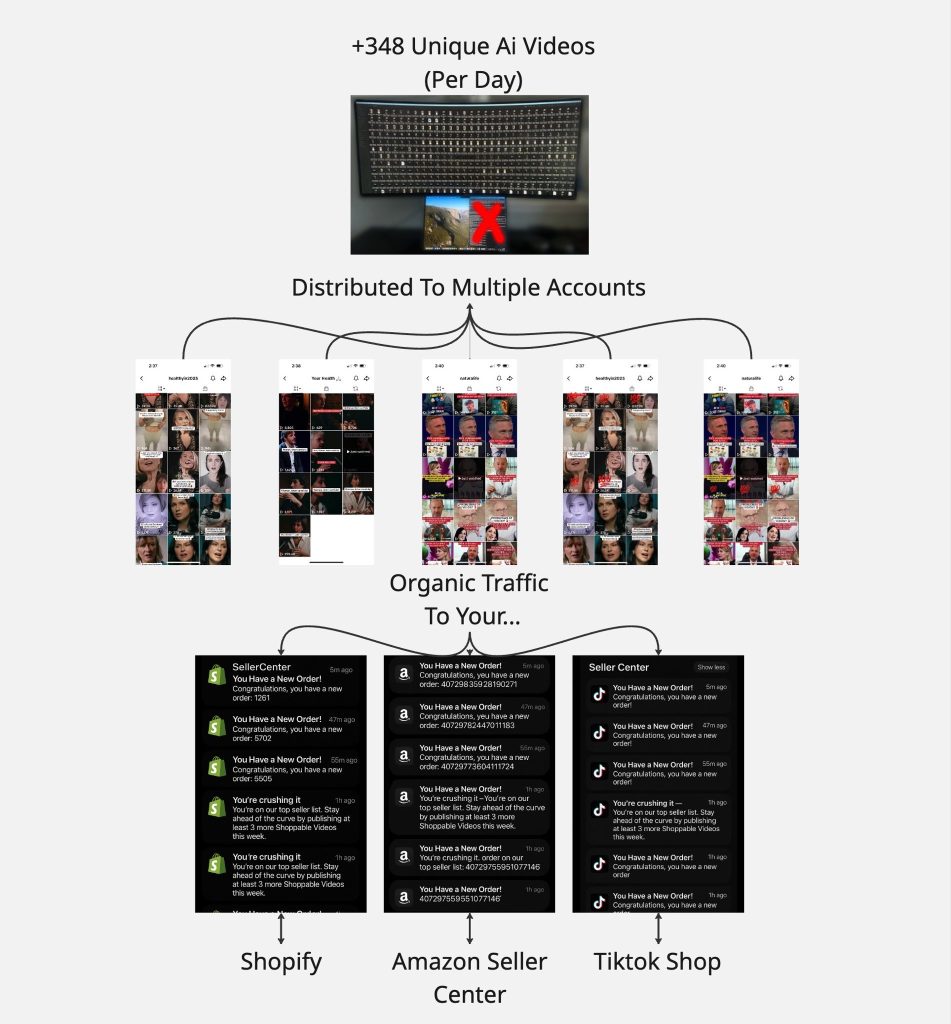
It’s easier to understand this shift when you see it visually:
Why This Stack Works So Well Right Now
There are three reasons this combination is hitting particularly hard in 2026.
With Nano Banana, you can generate a consistent “persona” — an AI-based creator reused across every piece of content.
- Same face
- Same tone
- Same visual style
- Writing scripts manually
- Recording footage
- Editing clips
- Adding captions
Veo 3 fixes that with realism layers.
- Natural motion
- Environmental audio
- Subtle facial expressions
- Realistic transitions
Breaking Down the Workflow (In Practice)
To understand the real power of this stack, it helps to look at how it’s actually being used.
- Studying TikTok ads
- Analyzing competitors
- Identifying recurring hooks
- Different hooks
- Different tones (casual vs urgent)
- Different structures (story vs direct)
- Upload product images
- Create avatar / creator identity
- Generate multiple scenes
- Select avatar
- Input script
- Attach product visuals
- Motion dynamics
- Environmental context
- Audio realism
- Visual continuity
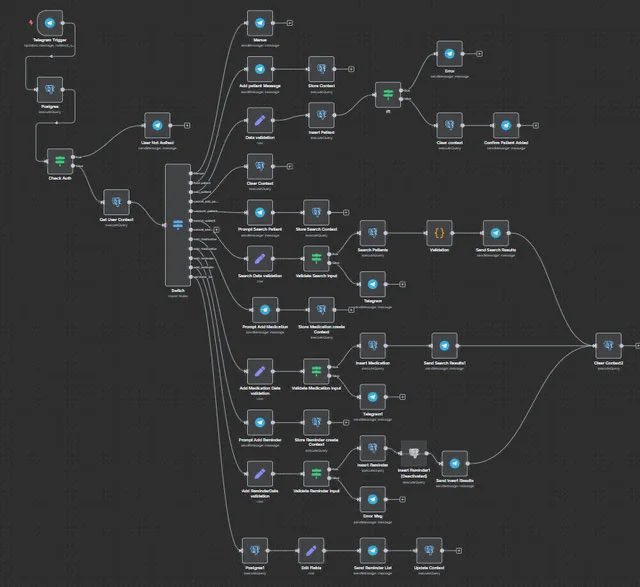
- n8n
- Zapier
- Custom scripts
What This Enables (That Wasn’t Possible Before)
This isn’t just about saving money – it changes what’s possible.
- High-performing hooks
- Winning messaging angles
- Strong creative formats
- Launch tests faster
- Analyze results sooner
- Iterate continuously
- Higher platform costs at scale (video rendering)
- Occasional re-runs for consistency fixes
- Increasing AI transparency scrutiny
- Voice realism still evolving in some cases
The advantage no longer comes from having the best editor, hiring the best creators, or spending the most money.
It comes from building a system that can:
- Generate ideas quickly
- Produce content consistently
- Test variations at scale
So… Where This Goes Next
Right now, this stack is already powerful.
But the bigger shift is what it represents:
Content creation is becoming programmable.
And once that happens, the brands that win aren’t the ones with the biggest teams they’re the ones with the best systems.