




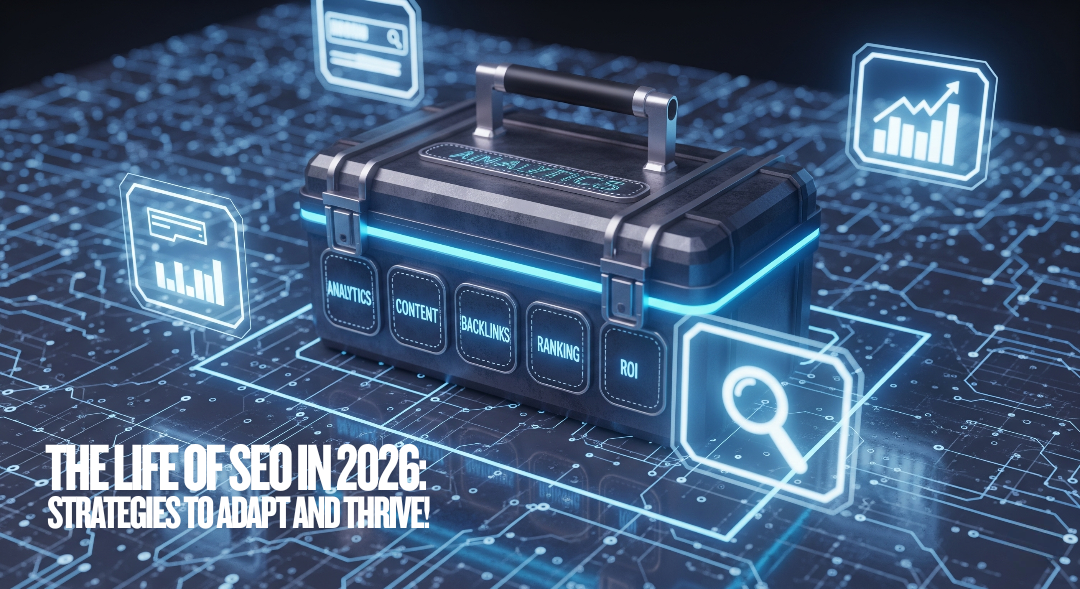
The Life of SEO in 2026: Strategies to Adapt and Thrive
The SEO landscape in 2026 is being reshaped by AI-driven search engines and shifting user behavior. Google’s new generative search features (like SGE) mean over half of queries now end without a click, so traditional tactics must evolve. At the same time, core principles still hold: high-quality, relevant content and clear topical authority are more important than ever. The smartest SEO teams are blending AI tools with human expertise – using automation to scale routine work, but relying on people to craft deep, trustworthy content. In this environment, winning SEO strategies combine technology and experience to engage users and search engines alike.
Prioritize High-Quality Content
Original, expert-driven content still drives the best SEO results. In fact, recent industry data show about 66% of SEO professionals say original content creation has the strongest impact (more than any other tactic). Quality content takes time, so many teams are turning to AI writing assistants as collaborators rather than replacements. For example, a top SEO guide notes that Google’s AI now “favors in-depth, expert-driven material that delivers genuine value”. In practice, successful teams use AI to draft or outline posts, then refine them with human insight. This hybrid approach lets businesses scale output while maintaining the experience, expertise, and trust signals (E-E-A-T) that search algorithms reward.
Adapt to AI-Driven Search (Zero-Click, Conversational Queries)
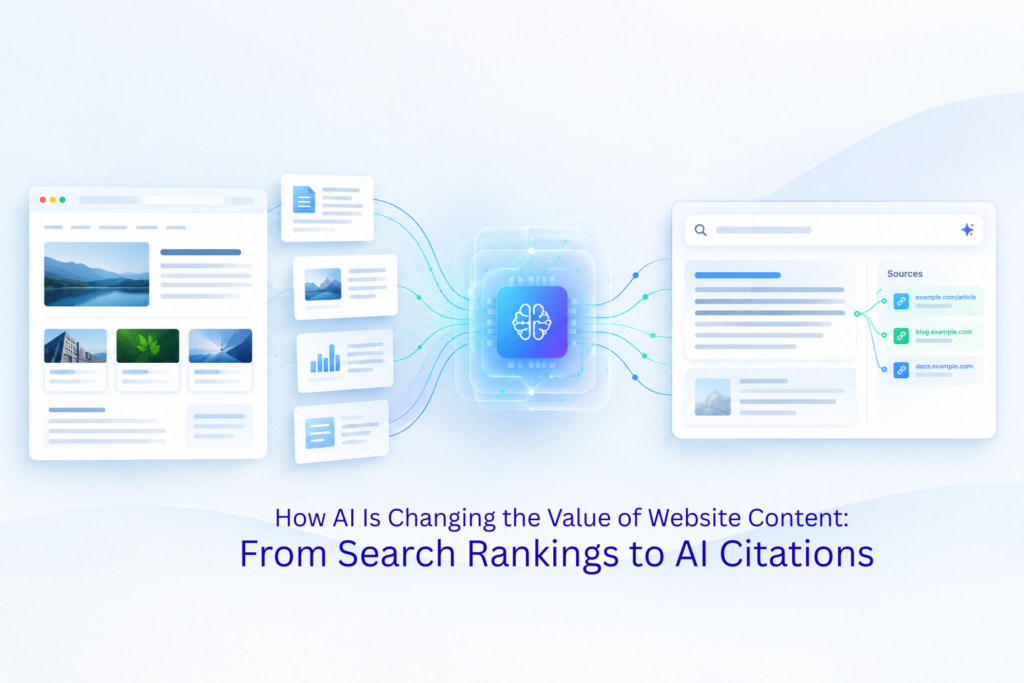
Search engines are increasingly giving users answers right on the SERP. Roughly 60% of Google searches end without a click, as AI summaries provide direct responses. Experts even call this trend “generative engine optimization” (GEO) – optimizing content to appear in AI-powered answers. To succeed, SEO must target conversational, long-tail queries and rich answer formats. This means structuring pages with clear definitions, bullet lists, and FAQ sections so that AI features credit your content. Using schema markup and multimedia (images, videos, infographics) also helps: one analysis advises that sites should “use structured data (schema)… and add videos/infographics” to increase chances of being cited by Google’s AI. In short, think beyond traditional blue links – aim to be the source that AI chatbots and overviews pull information from.
Balancing Funnel Focus
With more informational searches going zero-click, SEO investment is shifting toward queries that still drive visits. Data show about 52% of all queries are top-of-funnel (informational), and these often have a 58%+ no-click rate. In contrast, bottom-of-funnel (transactional) queries have much lower no-click rates. In practice, this means businesses should continue building informational content for brand authority (to earn SERP real estate) but prioritize middle/low-funnel content for conversions – for example, in-depth “best X” or comparison guides that users will click through. (These pages also perform well in AI answers.)
Build Authority and Trust (E-E-A-T)
Even as AI changes how content is delivered, Google still favors pages with real expertise and trustworthiness. Search algorithms and AI overviews use E-E-A-T (Experience, Expertise, Authoritativeness, Trustworthiness) to choose sources. In fact, SEO experts note that “as search engines become more sophisticated, the importance of E-E-A-T… is only set to increase”. Brands can strengthen authority by creating content hubs around core topics, highlighting author credentials and case studies, and earning quality backlinks. Offline brand-building (events, social presence) also signals trust. In practice, the highest-ranking strategies of 2025-26 emphasize topical authority and structured content: building detailed, interlinked articles around key subjects, using clear page hierarchies and schema, and showcasing real-world expertise. These signals help your site stand out both in classic SERPs and in AI-driven answers.
Investing in SEO: Budget and ROI
Despite fears about AI, most companies are doubling down on SEO. Recent survey data found 78% of businesses increased their SEO budgets in 2025, and 91% of enterprise marketers called SEO a “critical investment” for growth. That confidence isn’t misplaced: organic search still drives the majority of online traffic. For instance, a report noted that organic search accounts for over 53% of tracked website traffic, even with AI in the mix. In practice, most teams report steady or rising organic traffic and lead generation from SEO. Accordingly, modern SEO measurement emphasizes business outcomes: qualified leads and sales have become key metrics alongside traffic. In summary, a strong SEO foundation (content, technical health, user focus) continues to pay dividends, justifying continued or increased investment. If you’re looking to scale strategically, it may be the right time to hire SEO expert support.
Key Strategies for 2026
Looking ahead, SEO teams should align around these principles and actions:
- ➥ Focus on Topic Authority: Organize content into thematic hubs or clusters around your core subjects. Comprehensive pillar pages and detailed subpages improve visibility and establish expertise.
- ➥ Use Structured Data & Clear Formatting: Apply schema markup and format content with headings, lists, and tables. This makes it easy for search engines and AI to parse your site. For example, including FAQ sections or definition lists can help AI-generated summaries recognize and cite your content.
- ➥ Blend AI with Human Creativity: Leverage AI tools to speed up research and initial drafting, but keep humans in the loop to ensure accuracy, tone, and value. Training staff on AI and current SEO best practices is essential to use these tools effectively. For businesses exploring this hybrid path, investing in AI marketing services can provide both scale and innovation.
- ➥ Collaborate Across Teams: Break down silos between SEO, content, design, and IT teams. Shared responsibility for SEO (e.g., ensuring fast page load, mobile-friendliness, and good user experience) amplifies results.
- ➥ Stay User-Centric: Write for real user intent above all. Clear, concise answers to user questions remain critical – whether that user is browsing Google, asking a voice assistant, or querying a chatbot. Refresh and update content regularly so AI and search algorithms see it as current and reliable.
- ➥ Measure Business Impact: Track not just raw clicks but meaningful conversions (leads, signups, revenue) from organic traffic. As one industry analyst put it, SEO today is the “connective tissue” that makes a brand findable across Google, Siri, ChatGPT and more. By tying SEO to real outcomes, you can justify budgets and guide strategy.
SEO in 2026 will look different from a few years ago, but the blend of innovation and fundamentals will win out. Brands that combine AI efficiency with human expertise – building authoritative, user-focused content and integrating it across all channels – will thrive even as search evolves. By investing in quality, authority, and adaptability, you can ensure your SEO survives and succeeds in the year ahead. And if you want experienced hands guiding you through this shift, MindBees can be your trusted partner.
Sources: Industry reports and expert analyses. (Data cited are based on surveys and studies of SEO professionals in 2025.)